
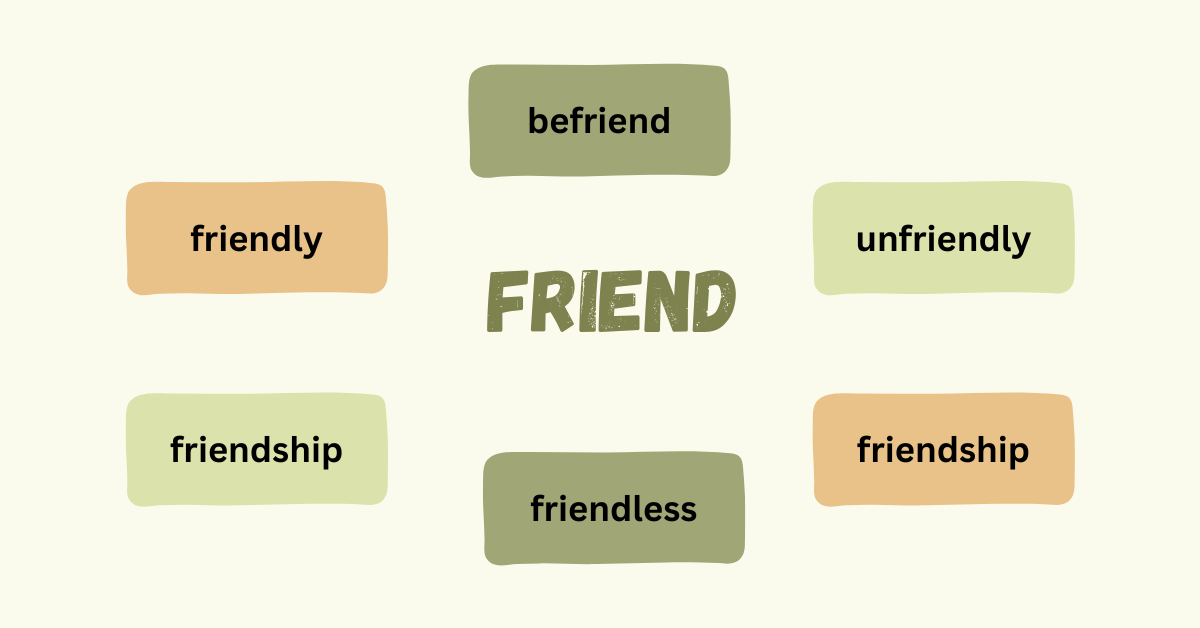
Have you ever noticed how happy, happiness, and happily feel like siblings?
That’s because they are.
This simple connection explains word families in vocabulary. Instead of learning words one by one, you learn them in groups. Like learning a family name and instantly recognizing its members.
This method saves time, boosts confidence, and makes English feel less overwhelming—especially for English language learners.
In this guide, you’ll clearly understand what word families are, explore practical word families examples, and learn how this method supports long-term vocabulary building with word families.
What Are Word Families? Simple Definition
A word family is a group of related words built from the same root using prefixes or suffixes. For example:
- friend → friendly, friendship
- act → action, active, actively
These words may change parts of speech, but their core meaning stays connected. This approach supports phonics for beginners, improves phonemic awareness, and builds strong early literacy skills.
How Word Families Work in English

So, how do word families work in real English?
Think of a root word as a charger. Every related word plugs into the same source. Once you know the base, learning the rest becomes easier. These predictable changes follow word family patterns and common spelling patterns.
As a result, learners improve spelling pattern recognition, develop better decoding skills in English, and read more smoothly using reading fluency techniques.
Common Word Families Examples & Real Use
Let’s look at practical word family examples you see in daily English.
| Root | Verb | Noun | Adjective | Adverb |
|---|---|---|---|---|
| create | create | creation | creative | creatively |
| learn | learn | learner | learning | learnedly |
| act | act | action | active | actively |
| friend | befriend | friendship | friendly | friendlily |
| teach | teach | teacher | teachable | teachably |
| read | read | reader | readable | readably |
Now that we understand what word families are, let’s see some real-life examples.
- The creative artist made a beautiful creation creatively.
- The happy child celebrated her happiness happily.
- The patient teacher will teach the lesson teachably.
A word family examples list like this trains the brain to notice patterns. Similar to a rhyming words list, it reduces guesswork and speeds up comprehension.
Importance of Word Families in Vocabulary
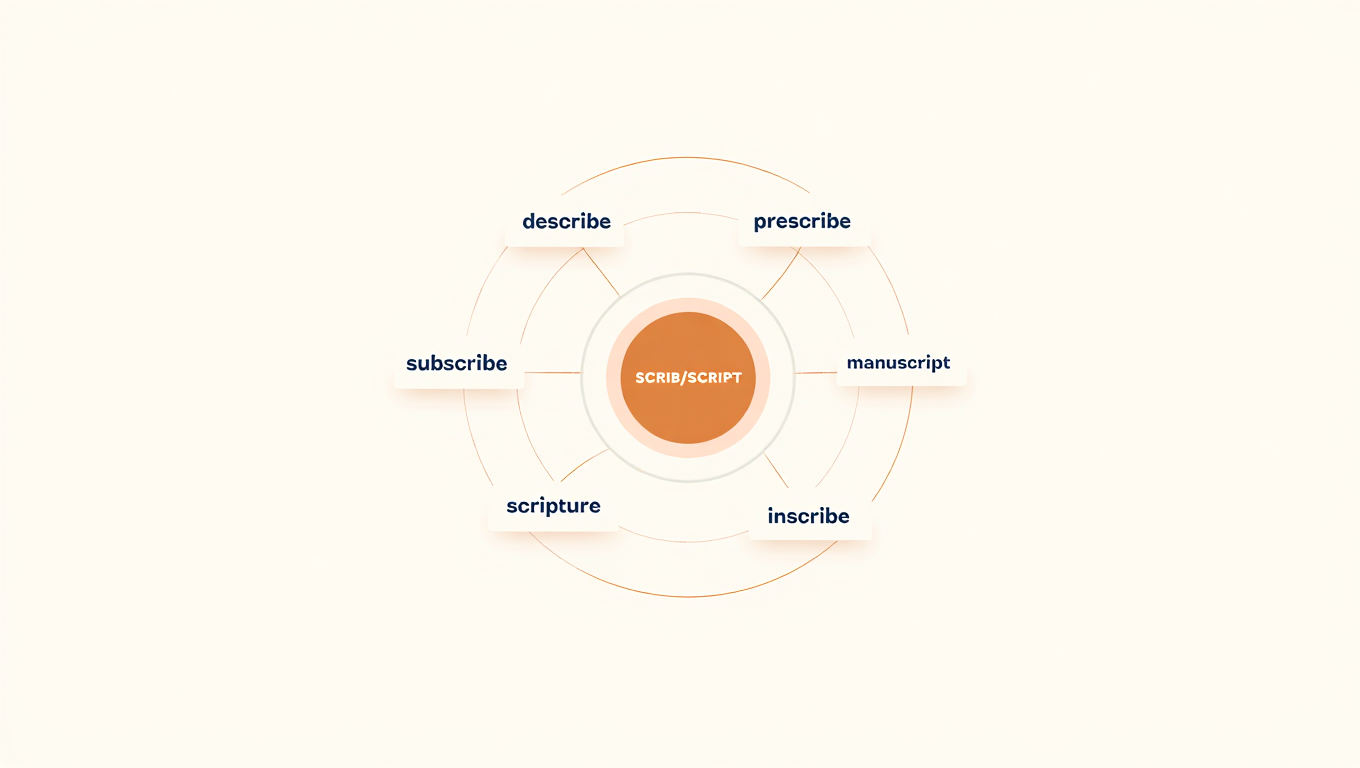
Why are word families important in learning English? Here are the biggest benefits of word families:
- Learn many words by mastering one root
- Improve spelling and writing naturally
- Read faster with less effort
Understanding word families also helps learners see how words work with basic grammar.
How Word Families Improve Reading & Spelling
Understanding how word families help reading and spelling changes everything. When the brain recognizes familiar roots, reading becomes automatic.
This supports early reading phonics and prevents spelling errors. It’s like recognizing a familiar road—you stop checking the map every second.
How to Learn Word Families (Simple Steps)
How to teach word families to beginners? Start with word family activities. Follow this routine:
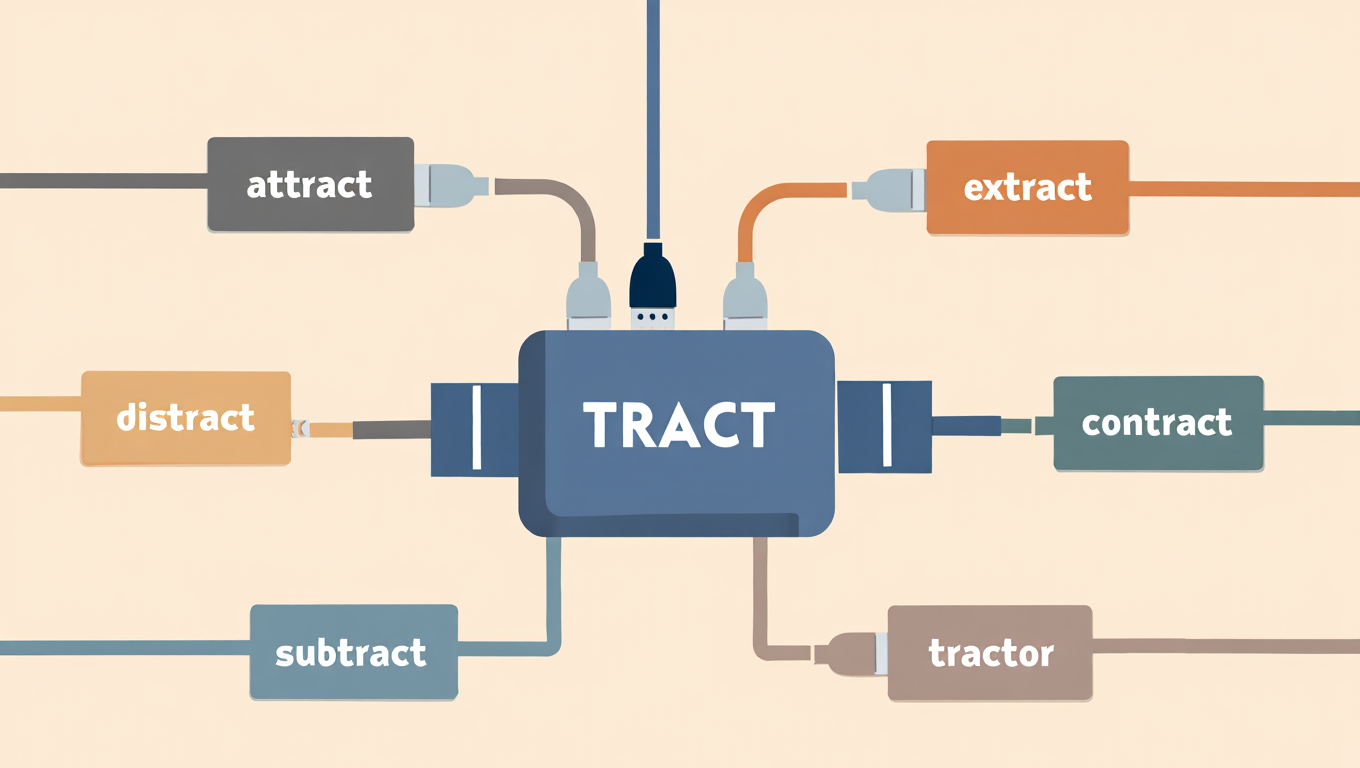
- Study common roots (act, vis, aud)
- Practice a word family list daily
- Use flashcards or apps
- Write short sentences mixing family words
Word Families for Beginners Exercises
Here are easy exercises; try to solve each by yourself.
Exercise: Fill in the Blanks
Use play → player, playful
1. My little brother is a good _____.
2. She is always _____ with her friends.
3. Children love to _____ outside.
Use act → actor, action
4. He wants to be a famous _____.
5. That was a brave _____.
6. We should always _____ kindly.
Use teach → teacher, teaching
7. Mrs. Ali is our favorite _____.
8. I enjoy _____ new skills.
9. He wants to _____ English abroad.
Use read → reader, reading
10. She is a fast _____.
11. I enjoy _____ books before bed.
12. Kids love to _____ storybooks.
Use move → mover, movement
13. The _____ helped us shift the furniture.
14. Yoga improves body _____.
15. We should _____ carefully to avoid accidents.
Answers
1. player | 2. playful | 3. play | 4. actor | 5. action | 6. act | 7. teacher | 8. teaching | 9. teach | 10. reader | 11. reading | 12. read | 13. mover | 14. movement | 15. move |
Wrap-Up: Start Your Word Family Adventure
Learning word families in vocabulary makes English simpler and smarter. You read faster, spell better, and remember more with less effort. Start practicing simple word families examples today, and let your vocabulary grow—one strong root at a time.
Share your favorite word family in the comments below!
FAQs: Word Families in Vocabulary
It means a group of related words formed from one root.
Action, emotion, and learning roots are the most common word family patterns.
Yes. They help learners increase vocabulary fast by learning words in clusters.
Leave a Reply