
Starting a new hobby can be scary, especially when it involves a blank page. Many new writers believe they need a special gift to succeed, but the truth is that writing is a habit, not a talent. If you have been struggling to start, easy writing prompts for beginners are the perfect tool to make writing feel safe and approachable.
In this guide, you will find a simple writing ideas list and practical beginner writer exercises to help you build confidence one word at a time.
What Are Writing Prompts for Beginners
‘Writing prompts for beginners‘ are short ideas, questions, or situations that help you start writing. Think of them as seeds. You don’t see the whole tree yet, but you know where to plant.
Prompts reduce pressure: Instead of thinking What should I write?, you simply respond and let your thoughts flow.
Pro Tip: To write clear and meaningful sentences, it’s useful to understand ‘what is grammar in English‘, especially basic sentence structure.
Prompt Chaining: Boost Your Writing
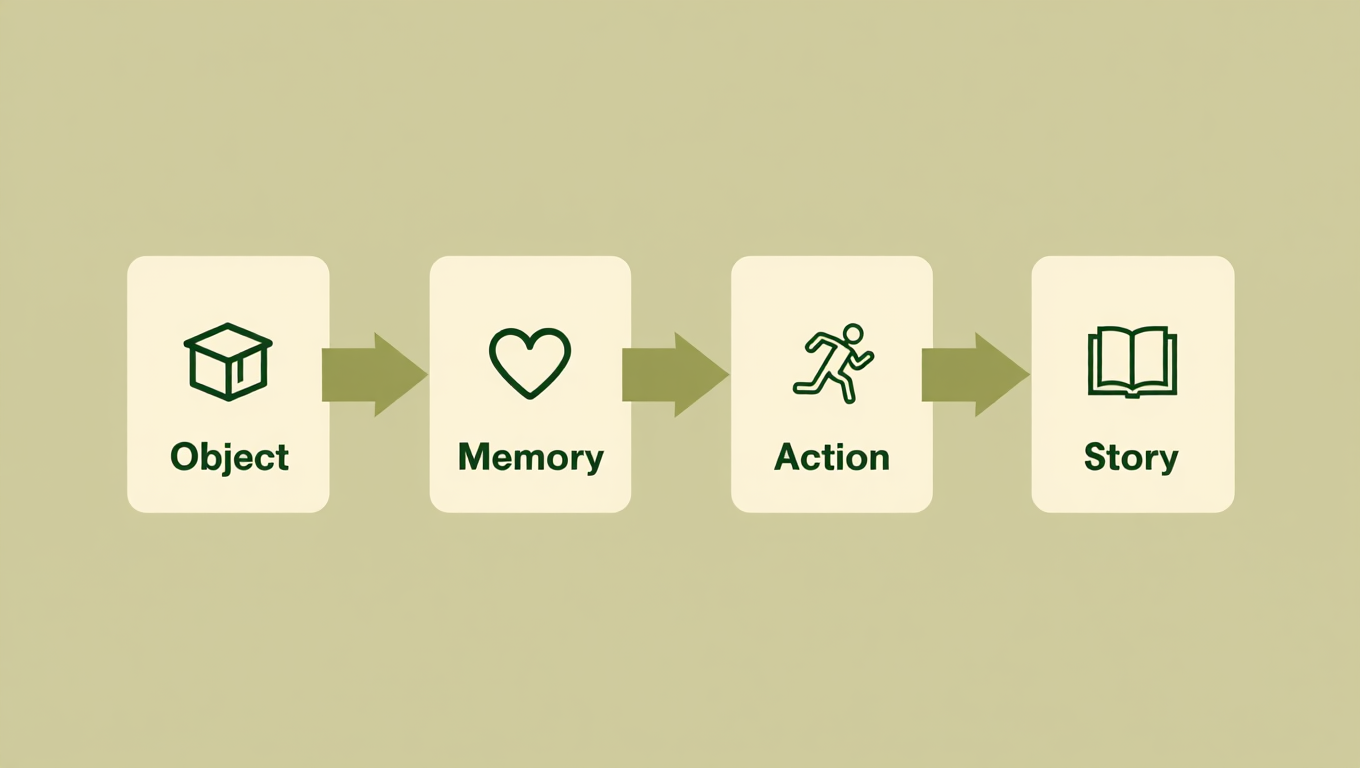
One unique way to use creative thinking prompts is a method called “Prompt Chaining.” Most blogs skip this trick. Prompt chaining means linking one prompt to the next. This helps you turn small ideas into stories naturally.
Steps for Prompt Chaining:
- Describe your favorite object.
- Write its memory.
- Add an action (Or future dream).
Callout: This method grows ideas naturally and improves flow. It turns short responses into stories.
Easy Writing Prompts for Beginners (Start Here)
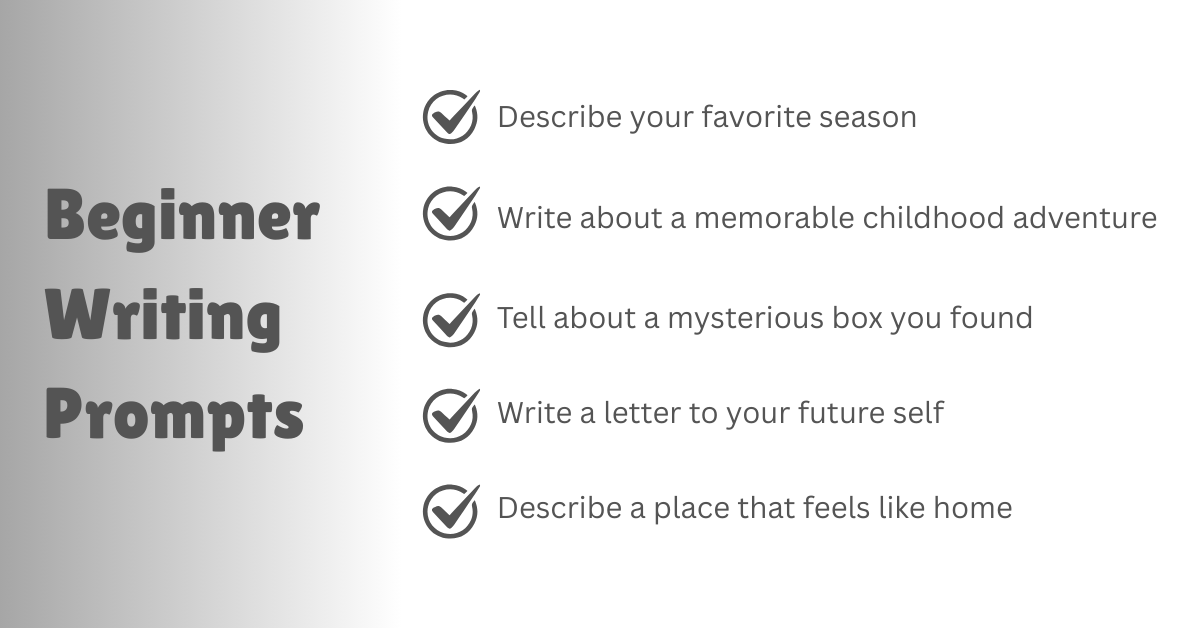
If you are looking for your first writing ideas, start with these three categories designed for simple daily writing practice.
1 – Personal & Daily Life Prompts
- Morning routines: The smell of your coffee or the sound of the birds outside.
- Favorite places: Any corner of your home where you feel most at peace.
- Simple memories: Describe your favorite childhood toy.
2 – Imagination-Based Prompts
- “What if” scenarios: What if you woke up and could speak to animals?
- Objects with feelings: Write a paragraph from the perspective of a lost umbrella.
- Small fantasy ideas: A door in the woods that only appears at sunset.
3 – Confidence-Building Prompts
- Write without stopping: Set a timer for 2 minutes and write anything.
- Ignore mistakes: Don’t worry about spelling; just keep the pen moving.
- Focus on flow: Let one sentence lead naturally to the next.
Sensory Mini Prompts (5-Minute Wins)
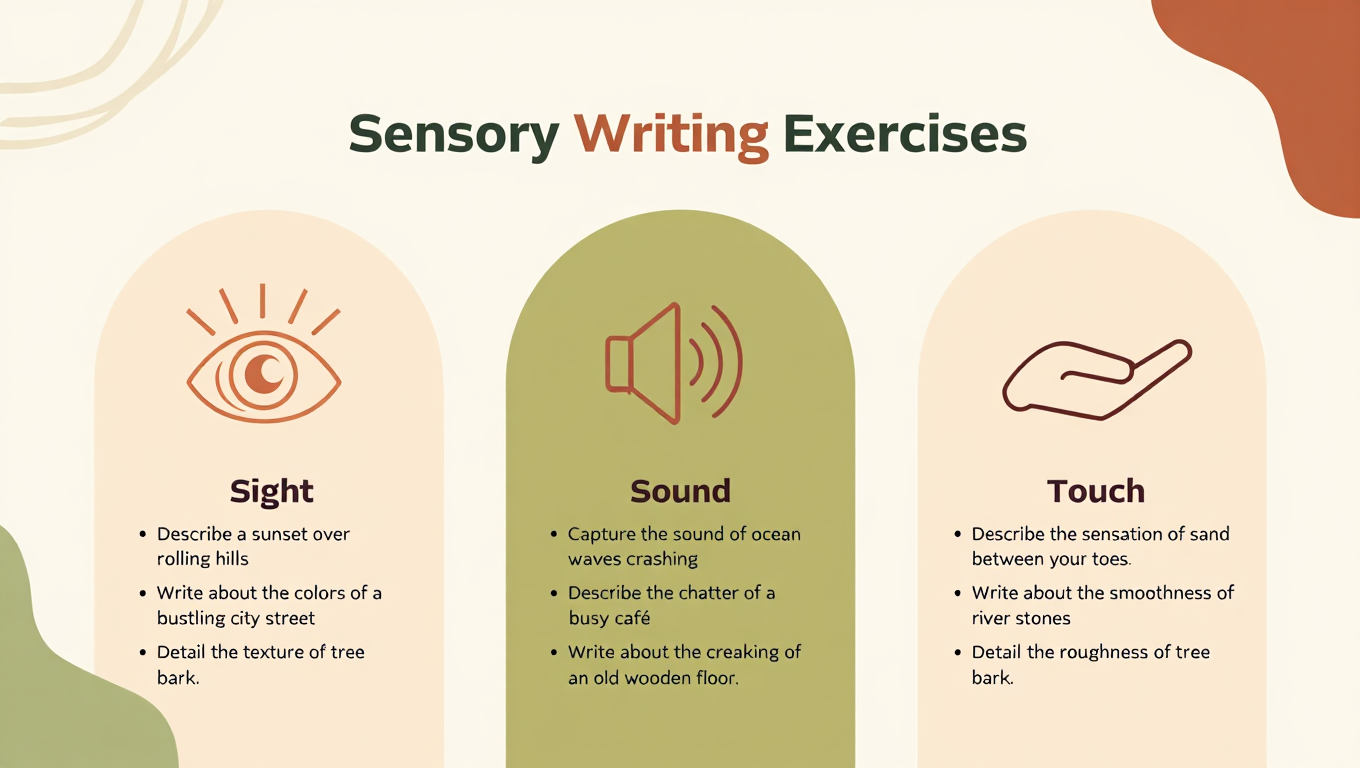
This is one of the best writing exercises for new writers because it grounds you in the moment. Spend five minutes noting:
- One thing you saw: A flickering light or a passing car.
- One thing you heard: The hum of the refrigerator.
- One thing you felt: The texture of your desk.
Pro Tip: Focus strictly on action and observation, not perfection. If you find yourself stuck on how to describe actions, checking out ‘what is a verb‘ can help you choose more descriptive words.
How Beginners Can Use Writing Prompts
To see progress, follow the 10-minute rule: write for just ten minutes every single day. The key is to avoid editing while writing. Consistency is always more important than length when you are starting.
The 10-Minute Rule:
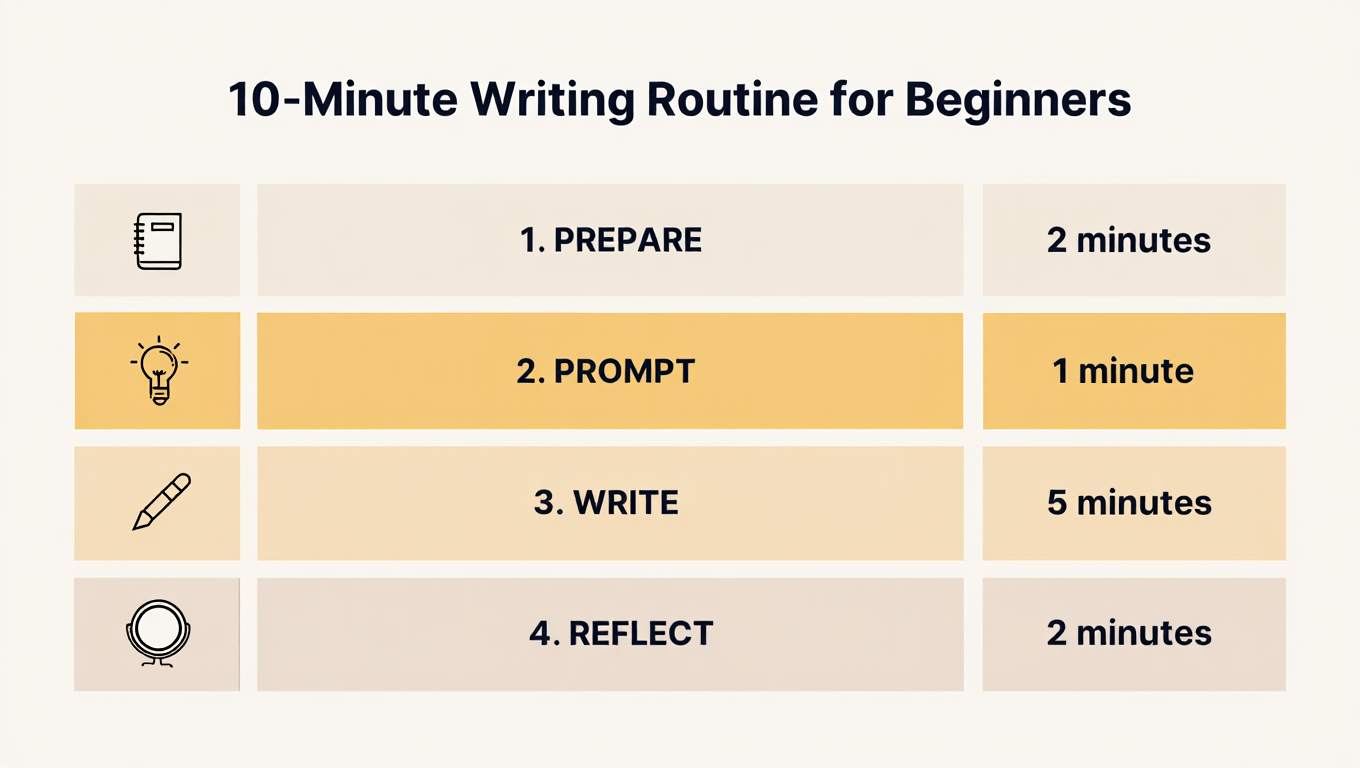
Short, focused sessions often work better than long, infrequent ones. Here’s a simple daily routine:
| Action | Tips for Beginners |
|---|---|
| Pick a creative writing prompt | Choose one that excites you. |
| Write for 10 minutes | Focus on ideas, not perfection. |
| Do not edit | Let your words flow freely. |
| Stop when time ends | Keep it short and consistent. |
The Low-Stakes Writing Rule
Write as if no one will ever read your work. This removes fear and unlocks honesty.
By letting go of judgment, beginners can explore ideas freely, experiment with sentence structures. It builds honesty in your voice and boosts your overall confidence.
Pro Tip: Understanding the difference between active and passive vocabulary
can also help you express these honest thoughts more clearly.
Common Mistakes Beginners Make and Fixes
Avoid these:
- Editing while writing: This kills your creative flow immediately.
- Comparing work: Your “Day 1” should never be compared to someone else’s “Year 10”.
- Sounding advanced: Use simple words. Trying to sound “fancy” often leads to using the most common confusing words incorrectly.
Narrative vs Descriptive Prompts
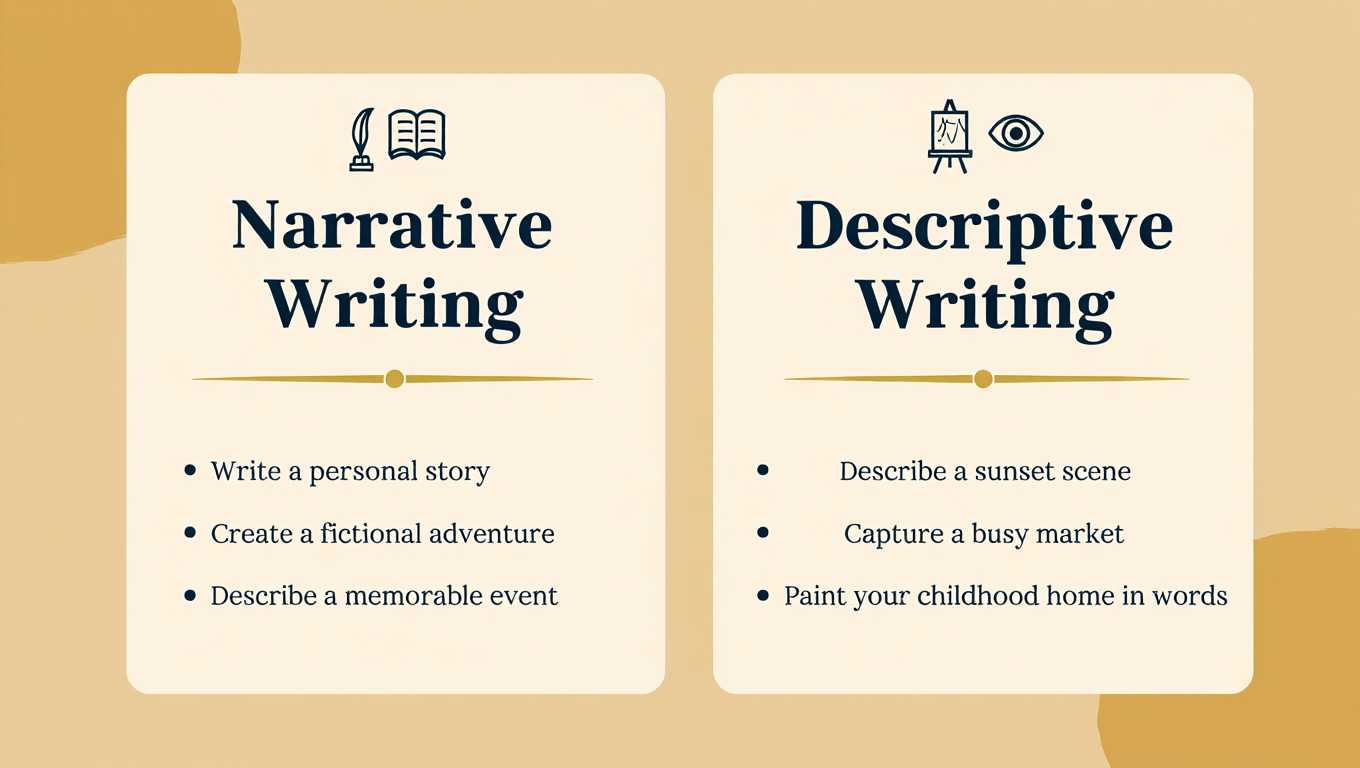
The best writing prompts for beginner writers usually fall into two categories:
- Narrative: Focuses on telling a moment or a sequence of events (the “story”).
- Descriptive: Focuses on painting a picture with words (the “vibe”).
Choose Narrative when you want to practice “what happens next.” Choose Descriptive when you want to practice “how it looks”.
Beginner Writing Challenges You Can Win
Weekly mini-challenges keep writing fun and build necessary discipline. Here is an example schedule to help you get started with writing:
- Monday: Treat the weather as a character with its own mood.
- Wednesday: Write about an everyday object that has a secret.
- Friday: Do a “Fairy Tale Remix”—take classic fairy tales and change the ending.
Remember, progress matters more than perfection. The goal of using easy writing prompts for absolute beginners is to get you comfortable with the act of expressing yourself.
Save your favorite writing prompts; beginners usually enjoy and reuse them weekly to see how their style changes. Writing is a muscle; it only grows through regular practice.
FAQs: Easy Writing Prompts
Personal and everyday prompts work best because you already know the subject matter well.
The best way is to set a timer for 5-10 minutes and freewrite without stopping for any reason.
You can find them in writing blogs, dedicated journals, and beginner-focused guides like this one.
No. You should always separate the writing phase from the editing phase to keep your creativity flowing. For help later, you can use a noun guide for beginners during your review.
Leave a Reply