
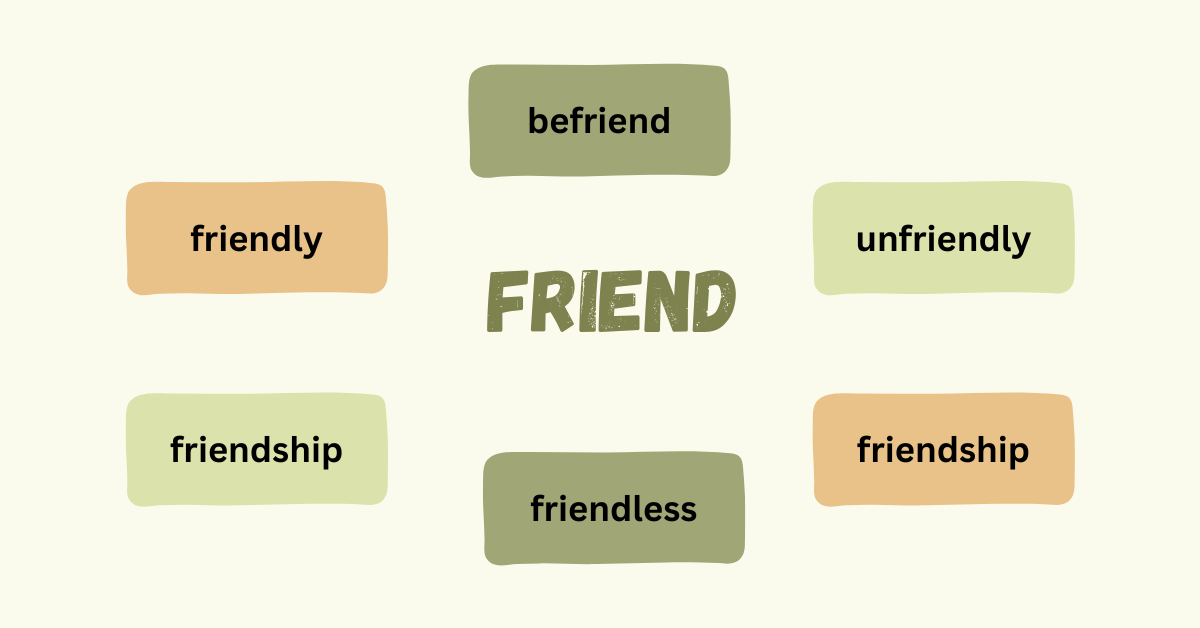
Have you ever noticed how happy, happiness, and happily feel like members of the same group?
That’s because they belong to the same word family.
Instead of learning English words one by one, you can learn them in connected groups. This method makes vocabulary easier to understand, remember, and use in real communication, like learning a family name and instantly recognizing its members.
Understanding word families in vocabulary helps learners:
- build vocabulary faster
- improve spelling naturally
- recognize word patterns
- read and write with more confidence
In this guide, you will learn the simple meaning of word families, see real word families examples, and discover practical steps to grow your vocabulary step by step.
This method saves time, boosts confidence, and makes English feel less overwhelming—especially for English language learners.
What Are Word Families? (Simple Definition)
A word family is a group of related words built from the same root word using prefixes or suffixes. In simple words:
Word families in vocabulary are groups of words that share the same base meaning.
For example:
- friend → friendly, friendship
- act → action, active, actively
- teach → teacher, teaching
- read → reader, readable
Even though the form of the word changes, the core meaning stays connected.
This helps learners understand new words more quickly and improve their reading and writing skills.
How Word Families Work in English

So, how do word families work in real English?
Think of a root word as a tree. The root is the base, and other words grow like branches.
Example:
create → creation → creative → creatively
Once you understand the root, you can recognize related words easily. This is why word families in vocabulary help learners:
- recognize spelling patterns
- understand new words quickly
- decode skills in English
- read with better fluency
- write more accurately
Learning word families is like learning a pattern instead of memorizing individual words.
Common Word Families Examples
Here are practical word families examples used in daily English.
| Root | Verb | Noun | Adjective | Adverb |
|---|---|---|---|---|
| create | create | creation | creative | creatively |
| learn | learn | learner | learning | learnedly |
| act | act | action | active | actively |
| friend | befriend | friendship | friendly | friendlily |
| teach | teach | teacher | teachable | teachably |
| read | read | reader | readable | readably |
Real Sentence Examples:
- The creative artist made a beautiful creation creatively.
- The happy child celebrated her happiness happily.
- The patient teacher will teach the lesson teachably.
These examples show how word families in vocabulary work in real communication.
Why Word Families Are Important in Vocabulary
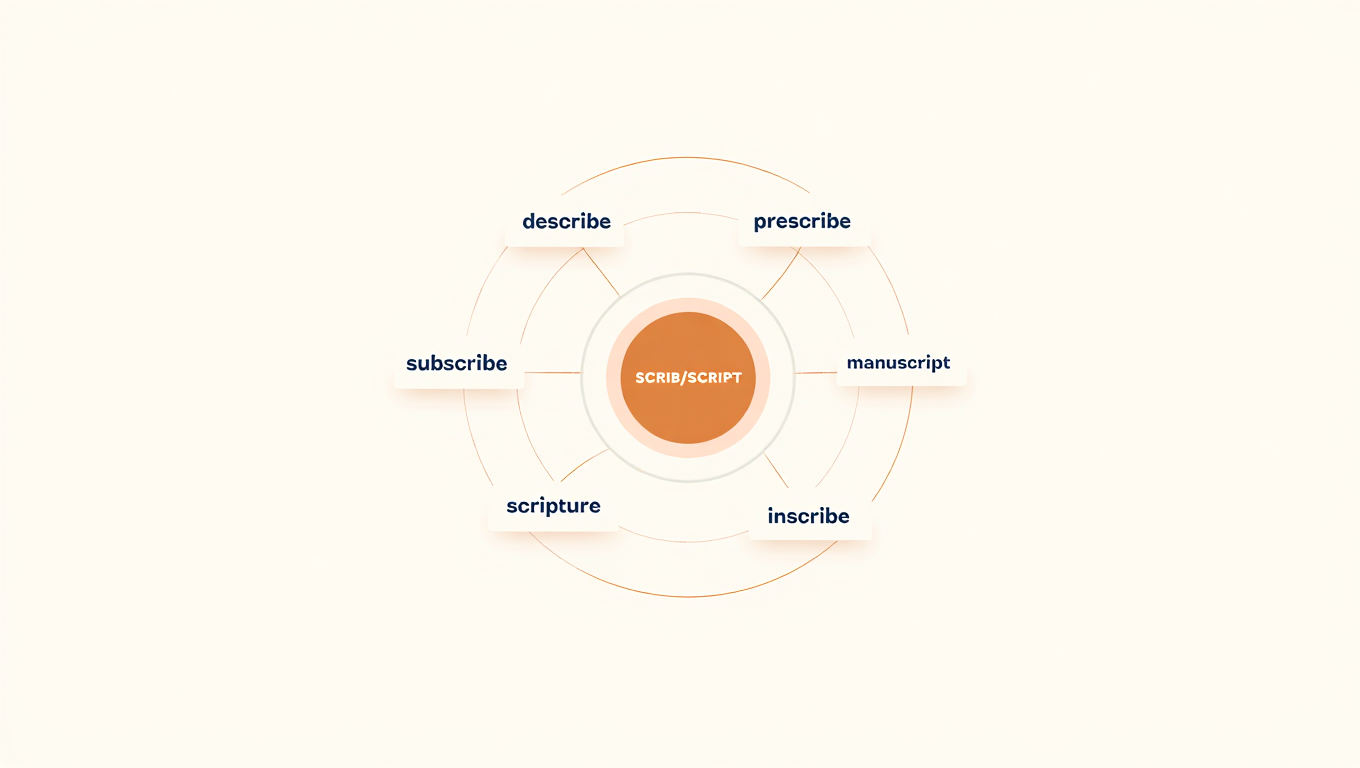
Learning word families in vocabulary gives many benefits.
1. Learn Multiple Words at Once
One root helps you understand many related words.
Example: act → action → active → actively
Instead of learning four different words separately, you learn them together.
2. Improve Spelling Naturally
Word patterns make spelling easier. If you know:
teach → teacher You can easily understand: learn → learner
Patterns reduce confusion.
3. Improve Reading Speed
Recognizing familiar roots helps the brain read faster. This improves reading fluency and comprehension.
4. Improve Writing Clarity
Using related words helps avoid repetition and makes writing clearer. You can also read unclear sentence examples and fixes to improve sentence clarity.
How Word Families Improve Reading & Spelling
When learners understand word families in vocabulary, reading becomes easier.
The brain automatically starts recognizing familiar patterns. Instead of decoding each word separately, learners understand the meaning.
This leads to:
- fewer spelling mistakes
- faster reading
- better comprehension
Word families create a strong vocabulary foundation.
How to Learn Word Families (Simple Steps)
How to teach word families to beginners? Start with word family activities. Follow this routine:
1. Learn Common Root Words
Start with simple roots like:
- act
- play
- read
- teach
- move
Build related words from them.
2. Practice a word family list daily
Write 5 word families every day.
Example: play → player → playful → playing
Daily practice builds memory.
3. Use Words in Sentences
Create short sentences using family words. Example:
- The teacher is teaching English.
- She is a friendly teacher.
You can also learn word swaps to fix repetitive writing for better vocabulary.
4. Read and Notice Patterns
While reading articles or books, notice related words. This improves vocabulary recognition.
You can also explore common confusing words in English to strengthen your vocabulary.
Word Families for Beginners (Practice Exercise)
Here are easy exercises; try to solve each by yourself.
Exercise: Fill in the Blanks
Use play → player, playful
1. My little brother is a good _____.
2. She is always _____ with her friends.
3. Children love to _____ outside.
Use act → actor, action
4. He wants to be a famous _____.
5. That was a brave _____.
6. We should always _____ kindly.
Use teach → teacher, teaching
7. Mrs. Ali is our favorite _____.
8. I enjoy _____ new skills.
9. He wants to _____ English abroad.
Use read → reader, reading
10. She is a fast _____.
11. I enjoy _____ books before bed.
12. Kids love to _____ storybooks.
Use move → mover, movement
13. The _____ helped us shift the furniture.
14. Yoga improves body _____.
15. We should _____ carefully to avoid accidents.
Answers
1. player | 2. playful | 3. play | 4. actor | 5. action | 6. act | 7. teacher | 8. teaching | 9. teach | 10. reader | 11. reading | 12. read | 13. mover | 14. movement | 15. move |
Understanding word families in vocabulary makes learning English easier and more structured. Instead of memorizing random words, learners can build strong connections between related words.
This method improves reading, spelling, and writing at the same time. With daily practice and real-life usage, vocabulary grows naturally and confidently.
Start learning a few word families every day and slowly turn them into active vocabulary for better communication.
You can also read why your essay sounds confusing to improve writing clarity further.
Share your favorite word family in the comments below!
FAQs: Word Families in Vocabulary
Word families in vocabulary are groups of related words formed from the same root word.
They help learners build vocabulary faster, improve spelling, and understand word patterns easily.
Action, emotion, and learning roots are the most common word family patterns.
Yes. Word families help writers use better vocabulary and avoid repetition in sentences.
Beginners can learn by studying root words, practicing daily lists, and using words in sentences.
Leave a Reply