

Writing feels personal. So when someone comments on your work, it can feel like they’re commenting on you.
That’s why handling writing feedback is one of the hardest skills to learn. Especially for beginners. One harsh comment can shake writing confidence for authors and damage a writer’s self-esteem and feedback.
But feedback doesn’t have to break you. If handled correctly, it can quietly sharpen your skills and strengthen your voice.
Let’s talk about how to receive feedback without losing confidence—without becoming defensive, discouraged, or silent.
The Vulnerability Behind Writing Feedback
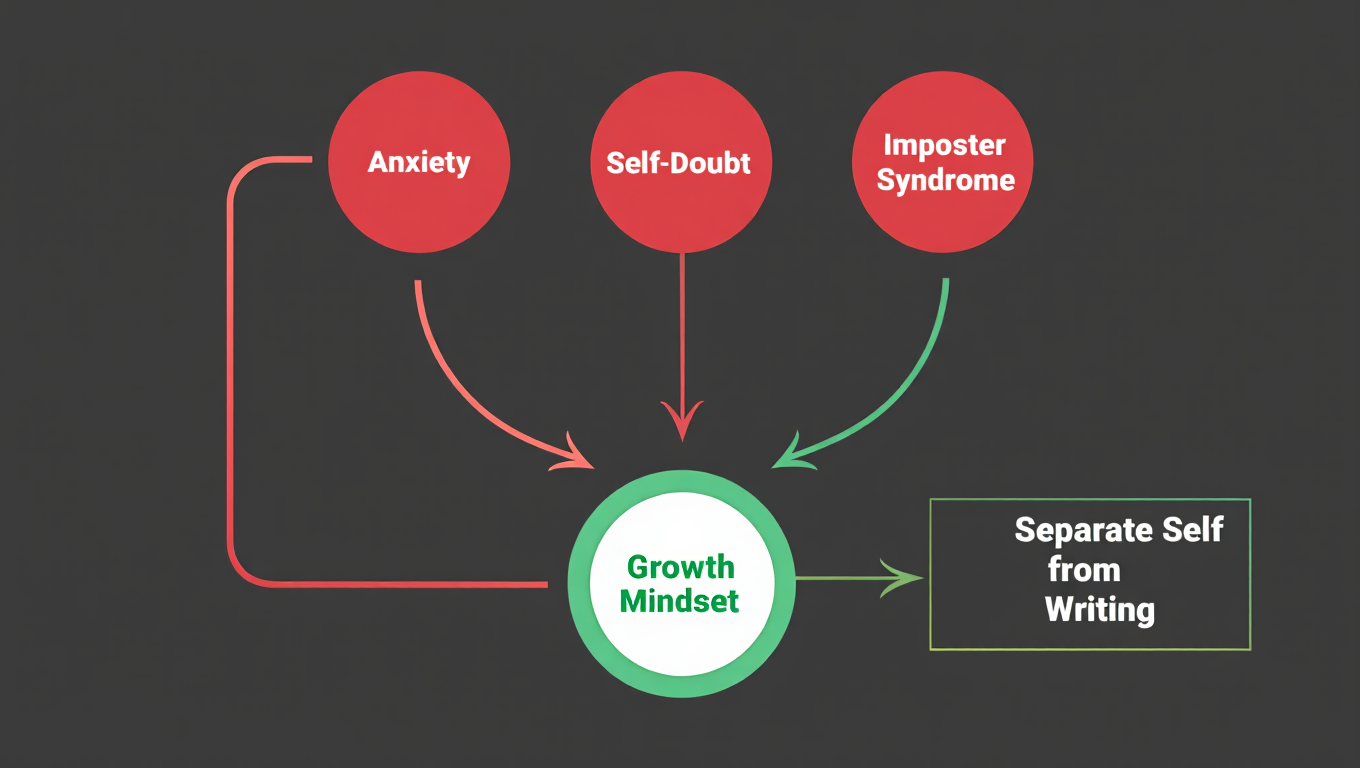
Writing reveals your thoughts and ideas. This artistic vulnerability explains why writing feedback feels so personal.
Critique often triggers a stress response. Even comments on easy writing prompts can feel like an attack. This emotional impact of feedback can quietly block your Creative Process.
That’s why many writers struggle with self-doubt and imposter syndrome. One critique can spark the fear: “Maybe I’m not good enough.”
This is where author mindset growth matters. A growth mindset treats feedback as data, not judgment.
To do that, you must learn how to separate yourself from your writing. Think of your draft like a car being repaired. Fixing it isn’t criticizing you.
When feedback keeps pointing to basics, it’s a skill gap—not failure. Strengthen foundations with What is Grammar in English and practice using easy writing prompts for absolute beginners
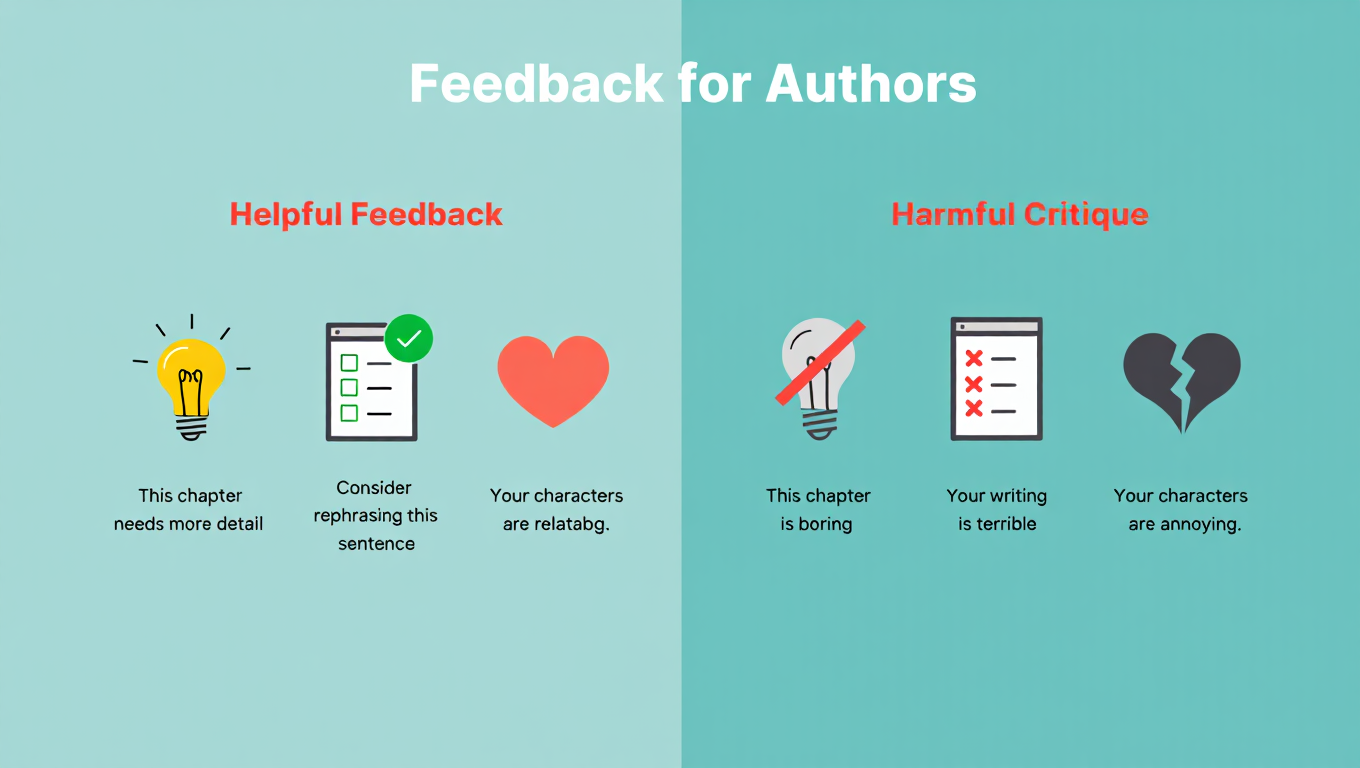
Not all feedback deserves equal attention. Learning to filter it protects both motivation and clarity:
| Feedback Type | Focus | Goal |
| Constructive Criticism for Writers | Logic & Structure | Feedback that improves writing |
| Subjective Opinion | Personal Taste | Understanding the Target Audience |
| Destructive Critique | Negativity | None (Discard immediately) |
Navigating the Emotional Impact of Feedback
The emotional impact of feedback is real. Your body reacts before your brain does.
Common reactions include:
- Anxiety
- Defensiveness
- Overthinking
- Silence (you stop sharing)
So, what to do when feedback feels personal? Pause. Don’t reply instantly. Let emotions settle.
To answer, how can I share my writing without feeling anxious? build emotional resilience for writers. Confidence grows when exposure becomes routine.
This is how you start coping with writing critiques and staying motivated, even early on.
How Can I Share My Writing Without Feeling Anxious?
The secret to receiving feedback without losing confidence is preparation. Before hitting “send,” clarify your goals. Are you looking for Editorial suggestions on your active and passive vocabulary or a broad Manuscript evaluation?
Separate Yourself From Your Writing
Your writing is a product. You are the creator.
Learning how to separate yourself from your writing protects your writing feedback confidence. Think of feedback like a mirror. It shows angles—not your worth.
This shift strengthens your feedback mindset for writers and helps when building thick skin as a new author.
Constructive vs Destructive Feedback
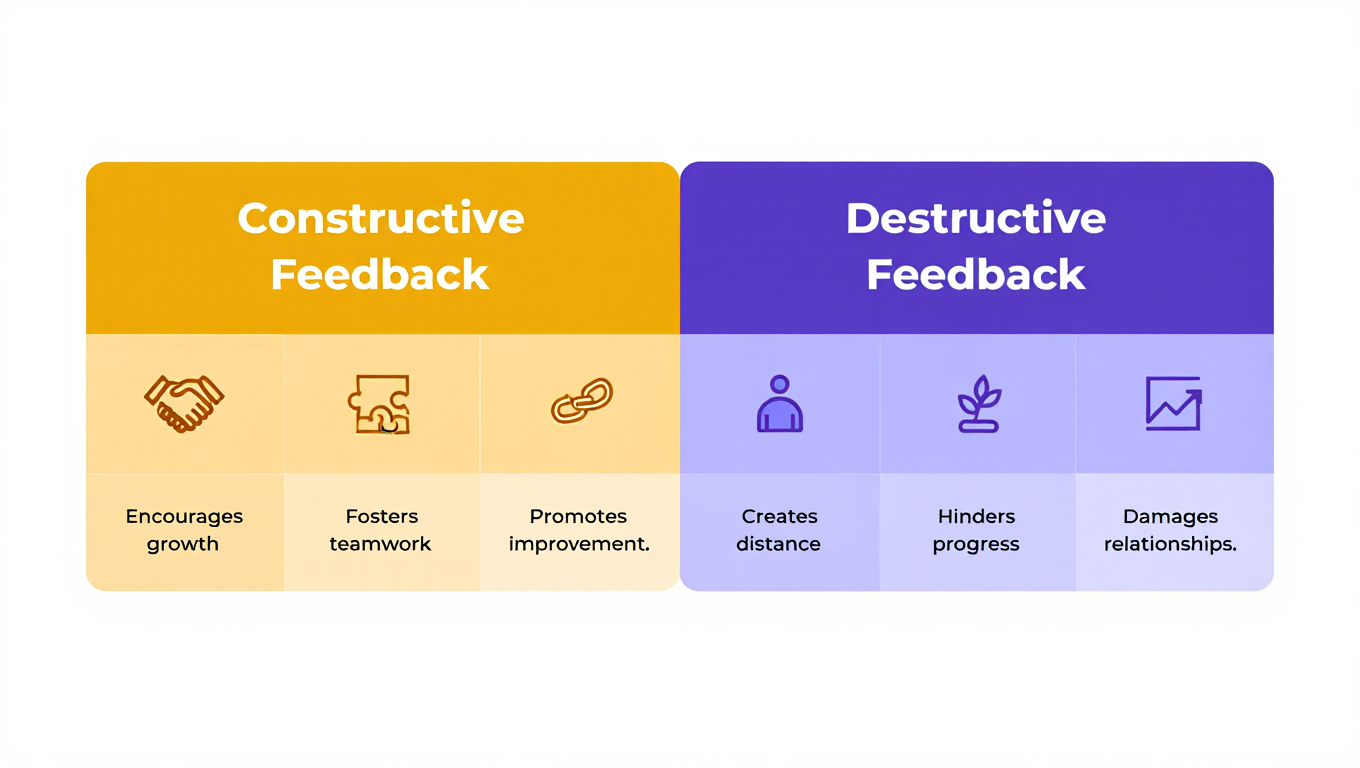
Not all feedback deserves equal weight.
| Constructive Feedback | Destructive Feedback |
|---|---|
| Specific | Vague |
| Actionable | Emotional |
| About the work | About you |
This is where constructive criticism for writers matters. Ask:
- Is this feedback for creative writers or personal opinion?
- Can I apply it practically?
- Does it suit my target audience?
Use objective analysis to separate insight from subjective opinion.
That’s how to tell if writing advice is worth following.
Helpful sources include beta reader feedback, tips, and peer review sessions.
Processing Critiques Strategically
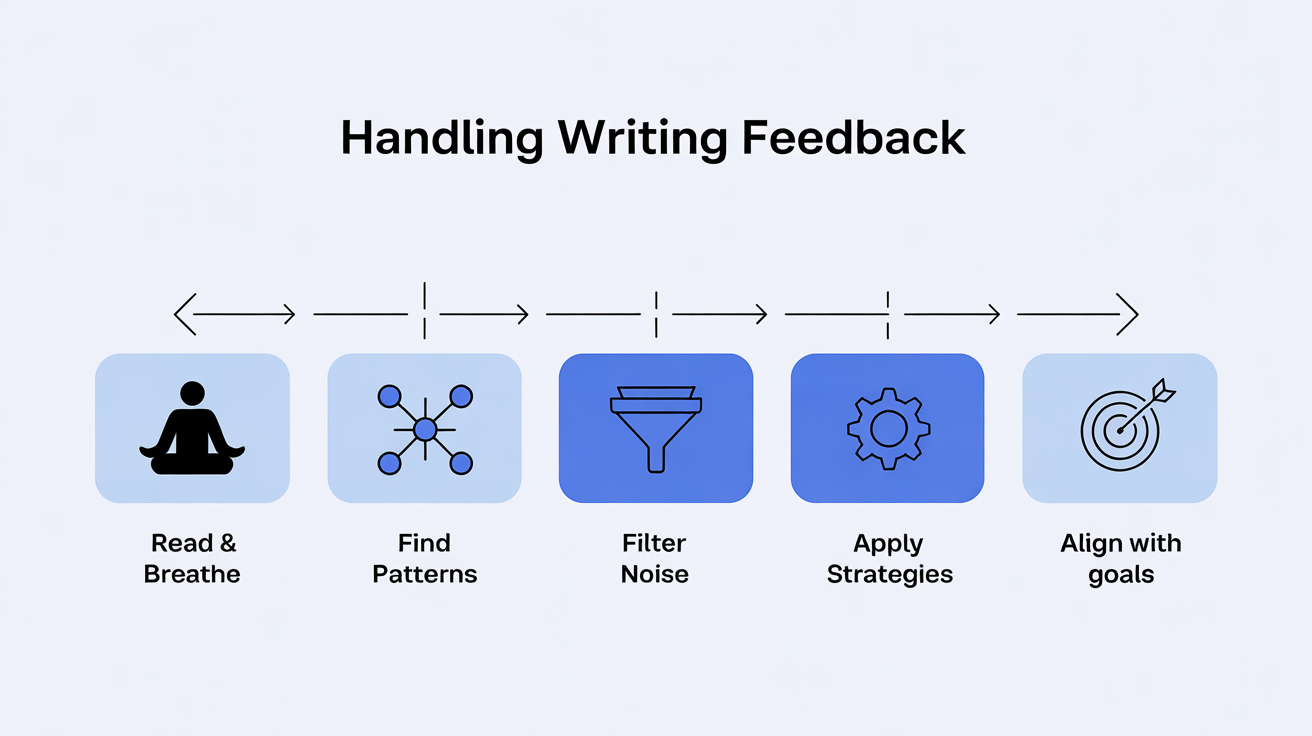
Instead of reacting, start processing literary critiques like a professional.
Follow this simple method:
- Read and Breathe
- Look for patterns
- Filter the Noise
- Apply Critique Acceptance Strategies
- Decide what aligns with your goals
This turns the manuscript evaluation into clarity.
Ways to respond to feedback as a new writer:
- Wait 24 Hours: Let the emotional impact of feedback settle before replying.
- Seek Actionable Insights: Don’t just look for what’s “bad”; look for how to use feedback for improvement.
- Use Beta reader feedback tips: Ask specific questions to get better results.
Use critique acceptance strategies and feedback acceptance strategies to avoid burnout. Especially when dealing with harsh feedback on your first draft.
If feedback highlights clarity issues, improving sentence structure through guides like Parts of Speech Made Easy can help immediately.
These are effective ways to respond to feedback as a new writer.
Turning Feedback Into Improvement
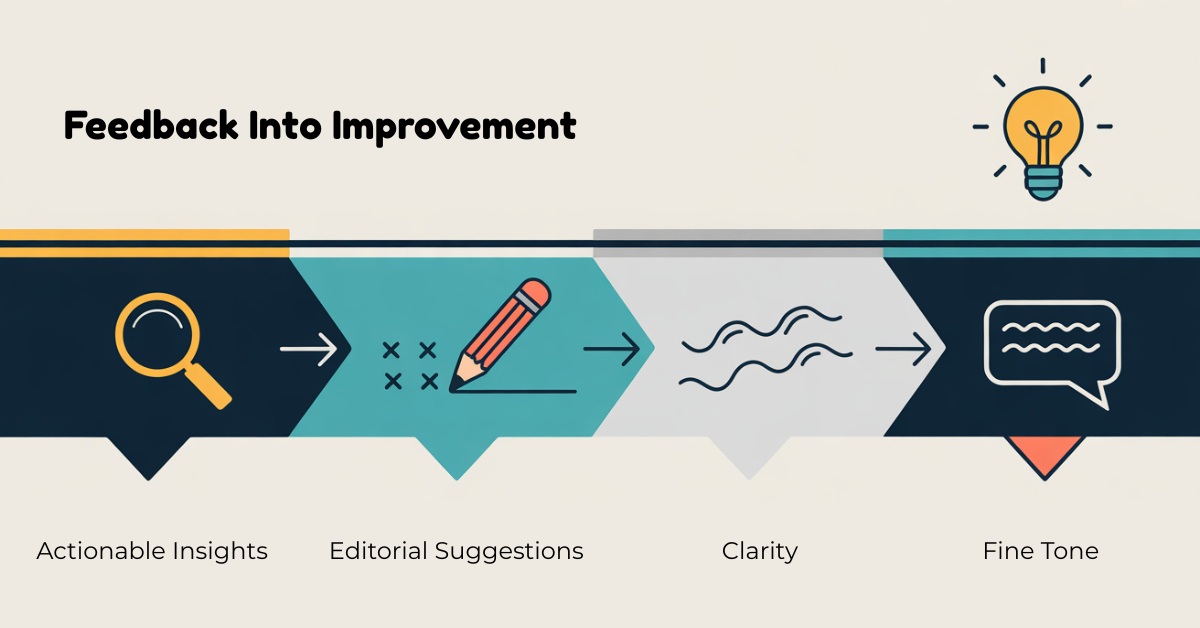
So, how do I turn feedback into writing improvement? Focus on actionable insights. Not everything needs fixing.
This is how to use feedback for improvement without losing your voice. Editorial notes often improve flow, clarity, and tone. Strong editorial suggestions refine—not rewrite—you.
Feedback is a tool. Not a verdict.
Staying Motivated Long-Term
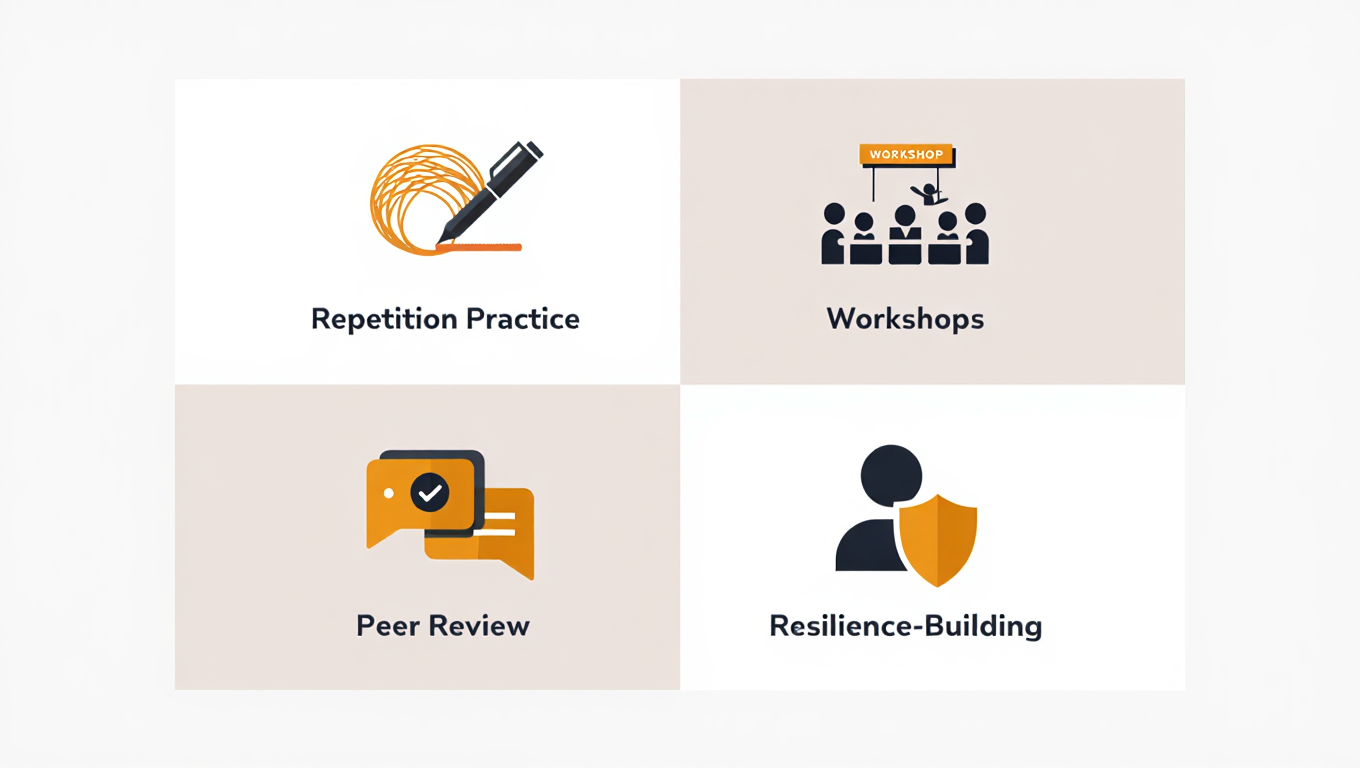
Confidence isn’t built in one draft. It’s built through repetition.
To answer:
- How to stay motivated after a bad writing critique?
- How to stay confident after receiving harsh writing feedback?
Adopt a feedback mindset for growth. Practice positive feedback interpretation. Joining creative writing workshops normalizes critique and builds resilience. These are proven strategies to build resilience with feedback.
Building resilience and staying motivated matters. If you’re dealing with harsh feedback on your first draft, don’t quit.
Try creative writing workshops, peer review sessions, or weird writing exercises to beat writer’s block. How to stay confident after receiving harsh writing feedback starts with remembering that one “no” leads to a better “yes.”
Writing confidence grows quietly—through action!
The Feedback Mindset for Writers
In the end, handling writing feedback is a superpower. By mastering writing critique confidence tips, you move from being a sensitive artist to a resilient author.
How do I turn feedback into writing improvement? By maintaining a Growth mindset and remembering that handling writing feedback effectively is the fastest way to reach your Target Audience.
The best way to respond to writing critiques is simply to say, “Thank you for your time.” Keep writing, keep sharing, and keep growing!
People Also Ask
Pause, filter emotionally, then look for actionable insight.
No. It means your writing is evolving.
Take a break. Remind yourself of your writing feedback confidence journey. Use strategies to build resilience with feedback, like talking to a mentor.
Create a revision plan. Use feedback acceptance strategies to implement Actionable Insights systematically.
Leave a Reply